



2026 will be the year of…

The obvious answer to the question, “what will define the year ahead in media and advertising?” is of course: who’s to say?
The industry, as has become the norm, is undergoing a period of mass disruption and change. One month, upended global trade puts global marketing budgets at risk. The next, growth forecasts are upgraded amid continued consumer spending. Another month, AI search completely upends the open web. The next, advertisers have already drawn up strategies to adapt.
The constant change begs the question: are year ahead prediction pieces simply an exercise in crystal-ball gazing? Can anyone, even the industry’s best and brightest, really have an accurate sense of what is coming?
And yet, last year contributors to The Media Leader predicted that 2025 would be a year of generative AI, of women’s sport and of video fragmentation, among other prognoses.
Check, check and check.
If nothing else, predictions and early-year mindsets set the tone for what could be through the rest of the year. They offer a glimpse both at what to expect, but also what to hope for.
So what might be in store for 2026? Leaders from around the UK industry have chimed in.
More will be sharing their thoughts and predictions for the year at The Media Leader‘s The Year Ahead event on Thursday.
Ian Whittaker, media analyst
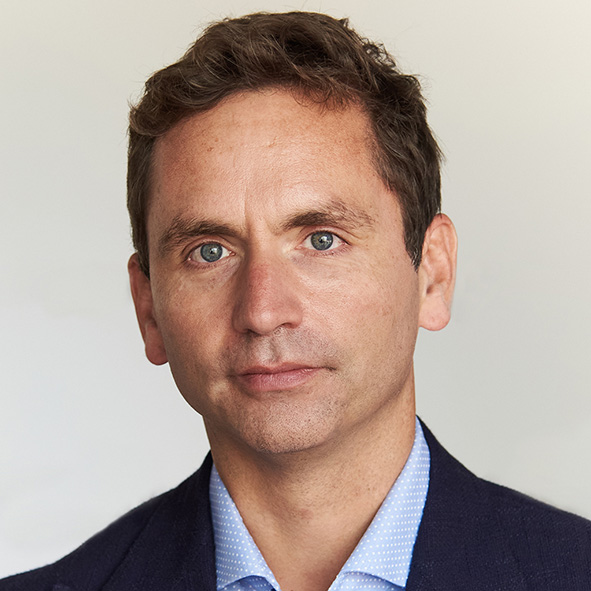 2026 will be the year of reckoning in media.
“Investors will demand that the huge bets placed on AI by the tech giants start to show tangible returns on their top-line growth.
“While some of this will come from squeezing the mainly SME advertising base for the major platforms, there will be inevitable pressure on the platforms to target more aggressively the still available advertising pots of money, primarily TV.
“The question for traditional media is how they respond to it — consolidation, circling the wagons or taking the fight to the platforms. In 2025, we saw all three elements start to emerge, but 2026 will force a sharpening of thought leadership.”
Sajeeda Merali, CEO of the Professional Publishers Assocation
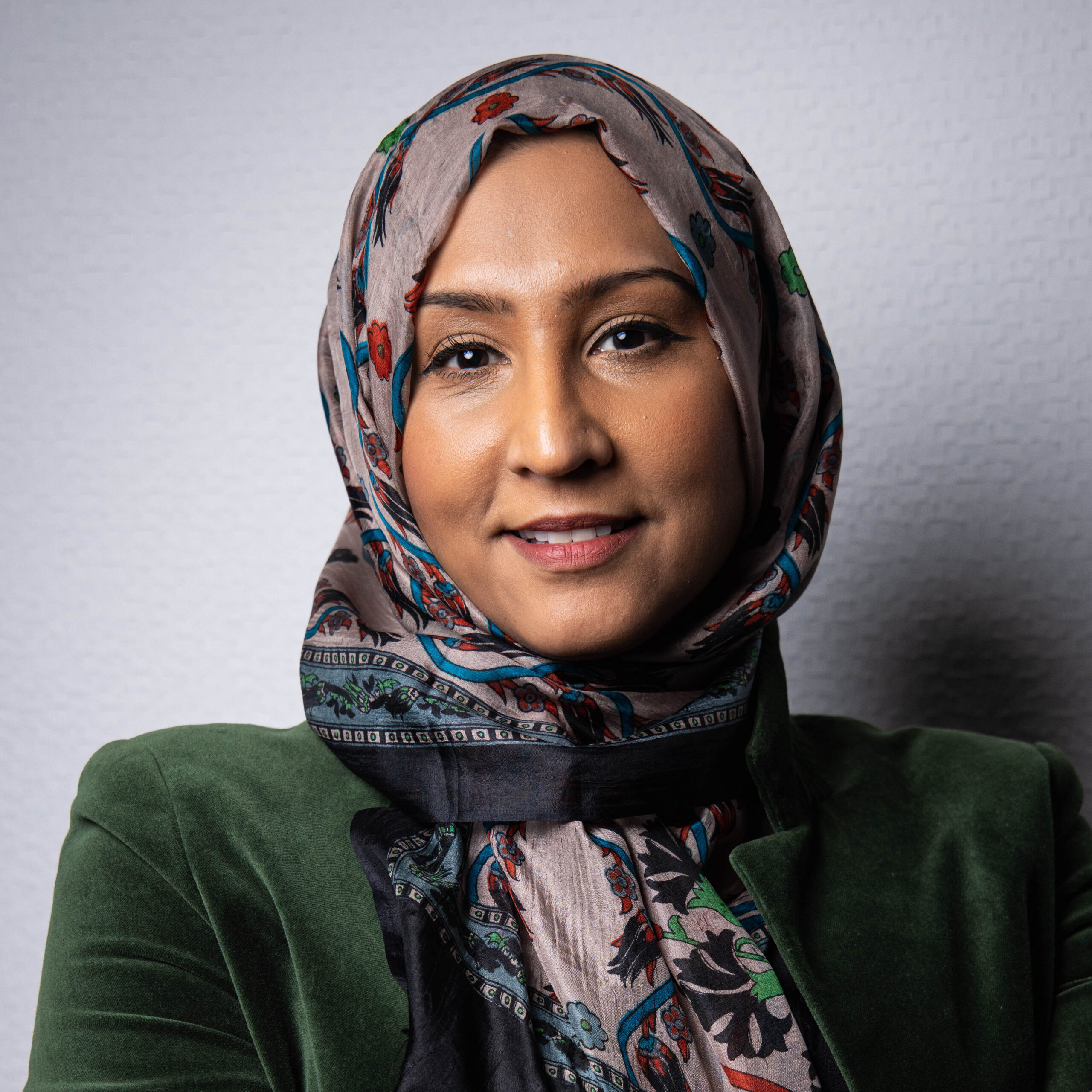
2026 will be the year of community in media.
“As consumer expectations evolve, people are gravitating towards spaces where they feel informed, understood, and connected. The trusted editorial brands of publishers already excel here. They curate with care, create with authority, and gather audiences around shared passions.
“In 2026, this community advantage will matter even more. Communities built around publisher brands offer exactly that, a blend of credibility, intimacy, and influence that algorithmic feeds cannot replicate.”
Simon Kilby, managing director, Bauer Media Advertising

2026 will be the year of valuing trusted media.
“There’s now broader recognition from advertisers and media planners that trusted media environments matter to both consumers and brands. We’ve seen this reflected in industry award categories and nominations that celebrate trust in media as much as creative excellence.
“Audio’s performance has continued to validate that shift. With digital audio ROI outperforming the average across other media platforms and connected listening growing rapidly, brands are reassessing their media spend to include more audio.
“Looking to next year, I expect:
“A stronger focus on trust and brand safety, with advertisers increasingly concerned not just about how much they spend, but where their campaigns appear.
“Continued innovation in audio, with personalised experiences powered by AI and richer use of first-party data, while still keeping the human connection at the core of content.
“A stronger role for audio within multi-platform campaigns, with smart speakers, podcasts and in-car listening becoming more central to how audiences engage with brands.”
Caroline Manning, chief design officer, Initiative
 2026 will be the year of supercharged strategy, planning and creativity in media.
“2026 is a year of opportunity, where scale, creativity, and intelligence finally move in sync.
“With networks coming together, capabilities will be boosted and the growth in meaningful integration means that silos are breaking down. All this allows ideas, data, and talent to flow faster. At the same time, AI is no longer an add-on; it’s embedded at the heart of tools, workflows, and decision-making.
“This doesn’t replace planners, it elevates them. With automation handling complexity and speed, we’ll be able to prioritise our time where it matters most: human insight, cultural understanding, and brilliance in craft. Strategy becomes sharper, planning becomes more dynamic, and creativity travels further.”
Jonathan Davies, director, UK & EMEA sales, Reddit
 2026 will be the year of community-led discovery in media.
“The nature of ‘search’ is fundamentally changing, marked by its continued splintering. People now seek more than a list of links; they want a blend of AI-powered reasoning, validated by trusted community truth and personal context.
“To provide satisfying, nuanced answers, AI models must be grounded in real human dialogue. They are actively seeking the depth and lived experience found within community conversations – something an AI simply cannot generate on its own.
“For brands, this means discovery is no longer about just optimising for a machine, but becoming an active and valuable participant in the communities where their reputation is built. The foundations for 2026 are being laid today, as LLMs often reference year-old content. [We’re] focusing now on adding genuine value and becoming a trusted and discoverable part of this new dialogue of discovery.”
Lindsey Clay, CEO, Thinkbox
 2026 will be the year of rebuilding brand building.
“One of the quotes of 2025 was James Hurman’s warning: if you market like a smaller brand, you will become a smaller brand. McKinsey then closed the year by declaring brand back at the top of the marketing agenda. I hope so. The implications should hearten everyone who cares about advertising, its cultural clout, and its reputation as a growth engine.
“Follow the money, and it’s clear that advertising has drifted out of balance. Investment has flooded the media, promising easy, immediate returns, while proof of what actually drives growth has often been sidelined.
“There is a better way. It means turning down the toxic and dialling up the dependable. A return to brand is a return to trust — something advertising has struggled with recently.
“And with TV — long trusted with brand building — set to become easier to buy, its short-term outcomes easier to measure, its long-term growth effects well evidenced, and its immense addressability increasingly understood, 2026 might just be the year of, well, TV.
Dominic Williams, chief revenue officer, Mail Metro Media
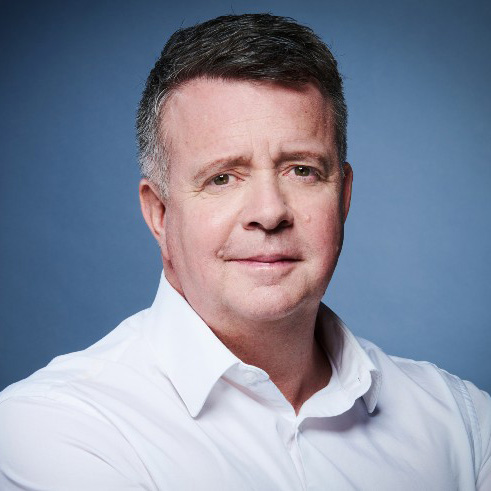 2026 will be the year of sport in media.
“This year’s FIFA World Cup is set to be the biggest sporting event in history, with more teams than ever taking part in the six-week-long tournament.
“It’s an incredible opportunity for brands, with the preparation and excitement already building. And it’s not just about what happens on the pitch. Opportunities span all categories – from travel to fashion and lifestyle, and across all platforms – in print, digital, video, and social.
“Personally, I can’t wait to see what our creators deliver during such a huge cultural moment. They’re going to be a big differentiator for advertisers next year with their unique, viral, high-impact content for Gen Zs and millennials. I’m confident they’ll most certainly be bringing it home!”
Jenny Biggam, founder, the7stars
 2026 will be the year of human insight.
“After several years of extreme polarisation of opinions, both among consumers and within our industry itself, I think that in 2026 advertisers will start to ask for fewer options and greater provable outcomes.
“Agencies, media owners and platforms will be expected to join the dots between attention, effectiveness and business growth for clients. Successful agencies will use insights to shape daily decisions across channels, creative, and customer experience.
“The maturation of AI and clean first-party data will allow brands to move beyond in-channel optimisations into genuine learning — using clear learning agendas and building experimentation into recommendations. A more accountable retail media and CTV ecosystem will make it easier to close the gap between campaign exposure and sales — in much the same way that the platforms already deliver.
“These developments will require a more thoughtful approach from agencies. The ability to interpret big data sets, as well as understand human behaviour, will be paramount.
“I hope that this approach will help with some of the biggest issues facing clients today — not least the tension between long-term effects and next-day sales. It would be a further benefit if this approach drives a renewed appreciation for high-quality content and trusted journalism — and a greater understanding of context as well as audience.”
Luke Willbourn, managing director, Talon UK
 2026 will be the year of relevance in media.
“Looking ahead to 2026, as people become more sensitive to online personalisation, OOH has a huge opportunity to deliver relevance in real time, through dynamic creative, interactive formats, and location-sensitive messaging. It’s a channel that blends scale, creativity, and precision.
“Crucially, OOH continues to prove its effectiveness, demonstrating to clients that it can deliver on key metrics such as strengthening brand equity or boosting performance outcomes. It’s also a proven sales driver; a recent test for an online retail brand showed average consumer spend increased by £5 when exposed to OOH. This ability to link campaigns to tangible results reinforces its role as a high-impact channel.
“Cultural relevance will also continue to remain essential next year, and it’s the brands that combine this with creativity, and emotional resonance across OOH, that will stand out, drive engagement, and build loyalty in 2026.”
James Townsend, CEO of Stagwell EMEA
 2026 will be the year of revolution in media.
“AI will structurally change the marketing services landscape in efficiency and incrementality terms, leading to higher returns for smart brands and agencies alike.
“The inevitable internal focus of the merging establishment players will bifurcate the new business market opening up more opportunities for the modern challengers.
“Creative and Media pitched as one will become a norm with clients wanting to commit more to less partners and the barriers to outcome-based pricing will lower as procurement departments begins to accept a value not cost based market model.
“We also expect to see PPC, SEO, Social and Commerce increasingly converge in a multi-modal world.
“New and varied monetisation models will emerge from agencies, the platforms and AI companies as they seek to create and capitalise on the new consumer behaviours, purchase habits and ways they interact with brands as a result of the next new age of technology.”