



Why quality pays: the power of trusted editorial in media planning – PPA Magnetic and The Media Leader
The Media Leader and the PPA Magnetic convened senior publishing leaders, agency planners and strategists (from holding companies and independents) at our London head office to discuss how trusted editorial and human connections, across all publisher platforms including social, translate into outcomes.
The consensus: quality pays when we define, measure, and champion trust. Agencies have a responsibility to raise this with clients even when it isn’t in the brief and publishers’ editorial expertise is a unique lever that adds value for partnerships and performance.
Attendees:
Saj Merali – CEO, PPA
James Walmsley – ad director, Immediate
Wayne Mensah – commercial director, Time Out Media
Ben Chesters – MD clients, UK & global, Hearst UK
Glenn Iceton – commercial director, Future Plc
Dan Plant – chief strategy officer, Starcom
Caroline Manning – chief design officer, Initiative
Simon Wilden – exec director, media planning, Goodstuff
Lauren Fishwick – planning lead, the7 Stars
Andy Collins – head of planning, WPP Media
Chair: James Longhurst – content director, The Media Leader
Jack Benjamin – senior reporter, The Media Leader
Trust as a performance driver, and agency responsibility
Kicking off the discussion our attendees agreed that trust is important to media agencies and clients, and increasingly so in an era of misinformation and ad fraud. However not all advertisers have trust front of mind, so is there a responsibility for agencies to raise it with clients?
Wouldn’t it be amazing if you could have a trust metric?
Agencies in the room stressed they have a responsibility to raise trust with clients, even if clients aren’t explicitly asking for it. The group agreed that moving trust from a narrative into a measurable, outcomes-linked input would help planners advocate for premium publishing with more conviction.
Research demonstrates trusted environments lift attention, consideration and conversion (including the PPA’s own Craving Conversion study), and effectiveness work shows high-attention media drives increased consideration and conversion vs low-attention media.
While more studies specifically linking trust to performance would be useful, the direction of travel is clear, quality environments deliver harder-working attention and better outcomes.
From narrative to measurement and imbalance
A recurring tension was that trust is often discussed but rarely defined in a way planners can buy against. “Trust exists in the aether”, agency strategist.
Publishers were encouraged to work more closely with measurement teams and clients to build infrastructure that demonstrates incremental, outcomes-based benefits beyond vanity metrics like clicks and article views. However, this shows the imbalance of standards to which publishers can be held to versus other channels.
Asking for trust metrics from publishers while continuing to pour budgets into walled gardens that grade their own homework. Performance teams may accept platform-reported incremental benefits at face value.
Even a cursory glance at some campaign statistics provided by Meta suggests the ROI the platform says it delivers “can’t be true”, one agency leader said.
Trading on editorial expertise & trusted editorial brands
Publishers emphasised that what they fundamentally offer clients is the expertise of their editors and their trusted editorial brands—specialist knowledge that audiences rely on and that brands can partner with credibly.
Examples cited included Vogue × eBay as a model of partnership done well.
Several participants noted that price and scale often dominate briefs, particularly in global planning. Independent agencies are bucking the trend, leaning into context, quality, and partnership-led approaches.
Publishers and agencies agreed there is “certainly a phenomenon” where major publishing brands don’t always resonate with twentysomething planners.
Rather than a problem, the group positioned this as an opportunity. Showcase the craft of editorial, the distinctiveness of premium environments, and the creative possibilities of partnerships.
“We’re not magazine publishers. We’re content publishers. It’s how we show up and represent ourselves.”
Agencies encouraged publishers to bring advertisers closer to the editorial product, through immersive showcases, newsroom access, creator sessions, and format labs. To make the power of trusted editorial tangible for younger planners.
There was a strong sense of wanting to return to the human connection between media owners and agencies, bringing people together to do the best work possible for clients.
Branded content was universally highlighted as a growth area. Long-term partnerships are reliable but hard to scale, and changes in search and consumer behaviour put pressure on programmatic and referral traffic.
The group’s answer was not to undermine editorial integrity, but to collaborate with expert editorial teams and make clear to audiences where and how brands are involved. Keeping the trust contract intact.
Trust isn’t just earned, they implied, but actively kept.
What’s next? Practical actions for agencies, clients and publishers
Our group ended the discussion looking for practical next steps and actions.
For agencies:
Champion trust proactively with clients, even when it’s not in the brief
Ask for publisher outcome frameworks (incrementality, attention-to-action, brand lift) alongside case studies
Interrogate platform claims with independent verification.
For publishers:
Showcase editorial expertise through partnership playbooks and format innovation
Engage junior planners with immersive editorial experiences and creator access
Maintain clear labelling and standards to safeguard trust across site and social.
Together:
Bring agency and publishing teams together and encourage everyone to get out and connect.
Closing Commitment
The Media Leader and the PPA will continue to champion trusted editorial brands and help the market build the measurement and case studies that prove why quality pays.
The group committed to ongoing collaboration, publishers and agencies together, to define trust in ways planners can buy against and clients can bank on.
Closing the session Saj Merali said, “Leveraging trusted editorial brands is about securing a trust premium for an advertiser’s campaign. The halo effect of using trusted editorial brands means that you don’t just generate impressions; you cultivate connection, build advocacy, and ultimately, drive more meaningful and measurable returns.”
“Increasing collaboration with agencies and their clients ensures we all put trust central to campaign objectives, and by opening our editorial worlds and inviting the next generation of planners in, we strengthen the entire ecosystem.”
“The commitment in the room was clear. Now let’s work together to deliver the recognition and investment that trusted editorial brands rightfully deserve.”
Case studies
Pandora x Stylist – Redefining Success with “Me-Stones”
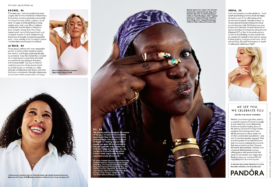 Stylist and Pandora partnered on an eight-month campaign to shift focus from societal milestones to personal achievements they called “me-stones.”
The centre piece was a media first: reversed gatefold magazine covers celebrating individual wins from cycling to work to self-love, with all 28 assets seamlessly integrating Pandora jewellery for both gifting and self-gifting occasions.
The campaign reached eight million people, with the print magazine becoming the most recognised Pandora partnership alongside their TV campaign, and 67% of the audience recalling seeing Pandora on Stylist’s channels.
Print alone achieved 22% recall, unprecedented reach in the women’s lifestyle market, proving that innovative publisher-brand partnerships can create cultural conversations while driving commercial success through authentic storytelling that resonates with audience values.
Surf x heat – A Scent-sational Multi-Sensory Experience
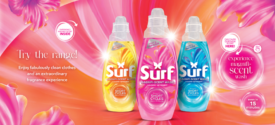 Heat magazine partnered with Surf to promote their new Magnifi-Scent Wash laundry detergent through a standout six-page scented gatefold, yes, actually scented. The creative tapped into the fast-paced lifestyle of heat’s audience by highlighting the product’s ultra-speedy 15-minute wash cycle and long-lasting fragrance.
With a cheeky nod to the audience’s love of bold scents and binge-worthy reality TV, heat proved itself the perfect media home for this innovative activation.
This partnership demonstrates how publishers can extend brand experiences beyond traditional print advertising by creating immersive, multi-sensory formats that align perfectly with both editorial tone and reader lifestyle, turning a magazine page into a memorable product demonstration that readers could literally smell.