



Smart TV OEMs can use DirecTV UI with Ventura TV OS
A custom version of The Trade Desk’s Ventura TV OS is being developed for the US where a smart TV OEM can choose DirecTV’s user interface as the gateway through which consumers reach streaming TV services.
DirecTV is one of the world’s leading TV platform providers and this arrangement guarantees a tier-one user experience on the smart TVs, although the OEM has to give up the chance for its own brand to dominate the home screen and sub-menus.
If a consumer wants to access popular VOD apps, they will navigate to these within the DirecTV interface, even though they are technically contained in the Ventura app store. There are no separate UI pages controlled and badged by the OEM on this version of Ventura TV OS.
Ventura TV OS will continue to have some influence over search and content discovery as part of its backend capabilities, and the OS ensures OEMs take a share of ad revenues across selected inventory.
Ventura was launched last November, will appear in the US first, and awaits first shipments. It promises OEMs they can complement thin (or non-existent) hardware margins with recurring ad revenues.
The Trade Desk (a leading demand side platform) is positioning itself as a neutral OS player, promising it will never own content and will have no ad inventory of its own to sell. The message to content owners who make their programming available to the platform is: ‘You can trust us not to compete with you’.
This also makes Ventura TV OS a potential partner for pay-TV providers looking to expand the reach of their brand and service beyond their owned-and-operated set-top boxes, including in homes that may have cut the cord or have never taken traditional pay-TV services.
Expands access to DirecTV
Vikash Sharma, head of product at DirecTV, says the alliance with The Trade Desk will meaningfully expand access to its service. “This collaboration sets a precedent for the future of smart TVs as both companies work with OEMs to set a new standard for the consumer streaming experience,” he adds.
This implementation of Ventura TV OS will provide a user experience that is similar to if a consumer connected DirecTV’s Gemini Air streaming dongle to their television set. That means there is default access to the MyFree DIRECTV app, DirecTV’s free ad-supported streaming television – FAST – service that has 125 channels including Fox Sports, GolfPass, beIN Sports Xtra, Tastemade, The Jamie Oliver Channel, Lionsgate Collection, ABC News Live, NBC News and Fox Weather.
There is an option to upgrade to DirecTV’s subscription entertainment packs like MyEntertainment, MySports, MyKids, MyNews and MiEspañol.
As with the standard implementation of Ventura TV OS, this custom version is aimed at the hospitality as well as general consumer market. According to Sharma: “OEMs gain a proven user experience that delivers a unified interface, combining live programming, popular streaming apps and personalised advertising.”
Ventura TV OS believes one of its unique selling points is the way it harnesses The Trade Desk to streamline the CTV advertising supply path – removing complexity and improving transparency so that more advertising budget reaches content owners.
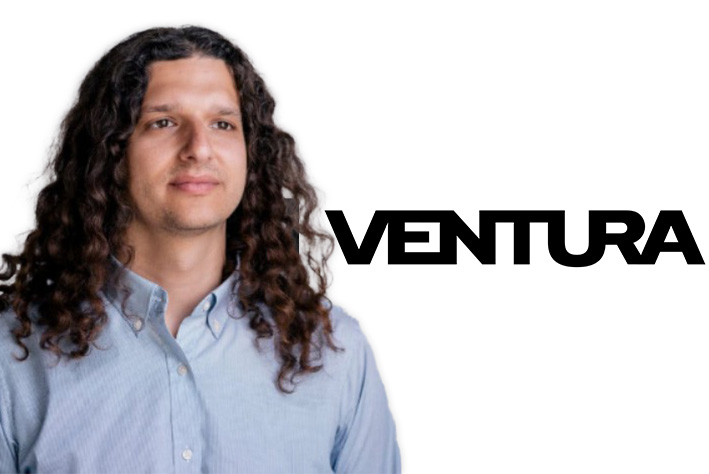
“Publishers deserve to capture more of the value their incredible content creates, and advertisers need a more transparent and equitable ecosystem,” declares Matthew Henick, SVP of Ventura TV OS (pictured).
DirecTV supports this ambition, with Amy Leifer, chief advertising sales officer at DirecTV, saying, “The TV landscape is riddled with friction, and marketers face inefficient routes to reach audiences. The solution is an advertising platform built on deterministic data that makes it easy for brands to reach consumers. This integration with Ventura TV OS will further streamline the process to help brands connect with CTV viewers.”
No smart TV hardware partners have been announced yet – for Ventura TV OS generally or this custom DirecTV implementation.
Rare collaboration
Collaborations that make a platform operator’s UI the default view for consumers on a third-party smart TV OS (without a set-top box attached) are rare.
HD+ has its own user experience running as the ‘sovereign’ UI on smart TVs in Germany (from brands like Hisense and Loewe), harnessing the HbbTV OpApp approach.
Claro Columbia became the default UX on Samsung television sets in its home market without the need for STBs or other external hardware using the TVkey Cloud solution, which was developed jointly by Samsung and digital TV tech provider NAGRA. VTVcab in Vietnam has also used this approach.
In the US, the cable pay-TV giants Comcast and Charter Communications are behind Xumo TV. This brand is marketed independently of the main pay-TV brands but the service uses the Comcast Entertainment OS (which is also the core software building block for Sky Glass).
Xumo TV is focused on free content, including Xumo Play, which features hundreds of free streaming channels, plus access to popular subscription apps. It runs on third-party smart TVs from the likes of Sharp, Pioneer, Westinghouse, Element and Hisense.
Xumo also attempts to reach households that are avoiding classic full-flavour pay-TV services, so has most in common with the DirecTV strategy with Ventura.
Freely – the streaming-first free-to-air platform in the UK that is a likely long-term successor to Freeview, is also the primary UI on a range of partner smart TVs including those from Bush, Toshiba, Sharp, Hisense and JVC. These collaborations also use the HbbTV OpApp standard (sometimes running on the TiVo OS).
Sky in the UK famously developed its own private-label smart TV – Sky Glass – rather than partner with third-party brands. This is an entirely different approach to getting a pay-TV developed UX on a smart TV without a set-top box.
The Media Leader interviewed Matthew Henick last month about the Ventura TV OS go-to-market strategy. He outlined why, in his opinion, it offers a better deal to OEMs and content partners.
This interview between Alan Wolk at TVREV and Matthew Henick offers additional insights on the DirecTV deal.