



Stop blaming planners. It’s their clients who make media ineffective
Opinion
Perverse agency-client incentives write media plans; evidence only gets to annotate.
“Do your fucking job.”
That was Mike Follett’s message to media planners at The Future of Media Manchester last month. Great soundbite… but are planners really to blame?
I’ve been talking to planners for a good few years now, and the idea that they’re lazy or incompetent is entirely at odds with what I see and hear. One of the first things I did as TML editor was introduce a Strategy Leaders feature, showcasing the best planning brains in the industry. It was precisely because there was so much rich material to commission.
They aren’t asleep at the wheel. They are strapped in the passenger seat while the client floors the accelerator and fiddles with the sat nav.
Maybe it’s the marketers who should “do their fucking job”.
Evidence schmevidence
Follett’s frustration came after Peter Field and Newsworks’ Heather Dansie showed the conference—once again—that high-attention channels (TV, cinema, radio, news and magazine brands) deliver more profit than low-attention formats.
I’m frustrated too. How many conferences, podcasts, columns, and conversations must we have about how some channels are obviously, clearly, not-even-closely more effective than others? As Field has consistently argued, this remains true even when the pure audience reach of ‘traditional’ channels is no longer what it used to be.
Yet, over the last decade, spend has flooded into social platforms and pure-play internet instead.
I write a lot about how SMEs are largely responsible for this, but it has become endemic among larger advertisers as well. Witness the bizarre statement by Unilever CEO Fernando Fernandez earlier this year when he said he would ramp up the use of influencers as part of a drive to put half of the conglomerate’s media budget on social channels.
Where’s the evidence that a huge multinational brand owner can scale up word-of-mouth advertising like this, to such an extent that it’s more effective than mass-reach media?
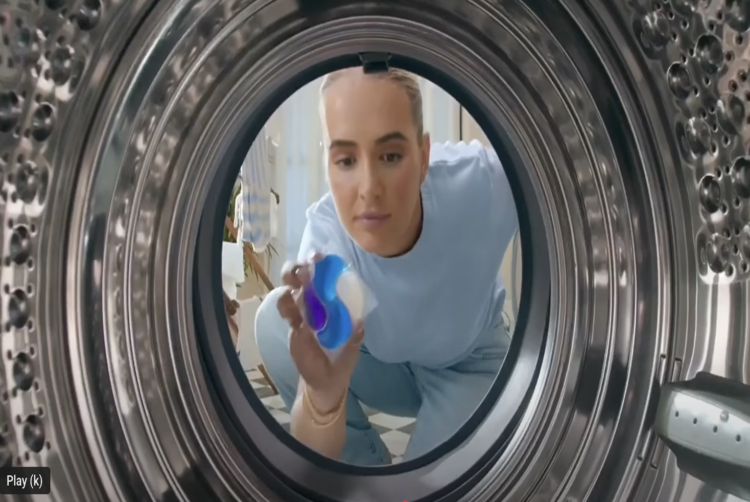
I’d love to see it, but before you email me about the virtues of “trusted online influencers”, have a look at the YouTube comments below Molly Mae’s cringeworthy work for Persil (spoiler: they are not fan mail)
If only this mountain of evidence convinced these marketers, we wouldn’t need to keep having conversations about “why TV is still so damn effective,” any more than we’d be talking about why fruit and vegetables are healthier than a pint of vodka and Haribo for dinner.
Let’s get real: inside the topsy-turvy worlds of major advertisers, effectiveness is not the KPI that drives behaviour. Careers are.
Follow the incentives
If you’re a brand manager, you’re not likely to double sales of a mature brand in a quarter. What you can do is build a TikTok programme, present it internally as “capability”, and get yourself noticed.
Agencies are aware of this because their bonuses are tied to how effectively they support those ambitions. You won’t support the marketer’s willingness to look hip with the kids and buy more Instagram? Let’s see what happens the next time that client is appraising your performance.
Those appraisals have real outcomes. It’s not just an agency’s bonuses that are at stake; a low performance score carries a real risk that the entire account could be put into jeopardy.
Yes, this means planners are not incentivised to speak as much truth to power as they should. However, my understanding is that this is pretty much how it is across all major agencies, so what is the alternative?
In reality, doing your job means survival in a perverse system.
The decision is already made
It’s even worse than that.
Even if planners truly had the ear of the chief marketing officer or the chief media officer, their recommendations would likely fail to have a significant impact anyway.
Because on large advertiser accounts, budgets are increasingly locked away before the agency even sees a brief. I’m told it’s now “standard practice” that an agency will be informed of a joint-business plan (JBP) between the advertiser and a major platform.
Let’s say you discover your client is spending an inordinate amount of its media budget with Meta. Would “doing your fucking job” mean telling the client: “Show us the compelling reason for spending on social because you’re ignoring a mountain of effectiveness research.”
It’s too late. The money’s gone. JBPs pre-determine spend levels, and agencies are left to colour in the gaps. Could such a deal explain why Fernandez is dictating this questionable change in media spend?
So when the contract is already signed, what does “do your job” really mean? Dress up procurement’s decision as strategy?
A different approach
Follett is correct to be frustrated that the industry has drifted dangerously away from effectiveness.
But aiming that anger at planners won’t help. It’s the system that makes their job impossible.
If you want money to flow back into high-attention media, you need to start with the incentives:
- Decouple bonuses from service scores. Stop rewarding smiles and start rewarding outcomes.
- Reward repeatability. Make “doing the same thing better” a promotable act.
- Treat novelty with caution. Set an explicit experimentation budget so fads don’t colonise the whole plan.
- Pay for planning. Stop pretending strategic brains are free. Proprietary trading exists because clients are unwilling to pay fees.
Until then, you can shout “do your fucking job” as loud as you want. Planners will keep their heads down, their bonuses safe, and their clients promotable.
 Omar Oakes was founding editor of The Media Leader and continues to write a column as a freelance journalist and communications consultant for advertising and media companies. He has reported on advertising and media for 10 years and was previously media and tech editor of Campaign. His column on The Media Leader was nominated for the BSME’s B2B Column of the Year in 2024.