



The future of broadcasting and publishing won’t be won on someone else’s platform
Opinion
Can broadcasters and publishers create content that engages audiences off-platform enough to build a direct relationship on owned platforms? Q5’s head of media asks.
Broadcasting is under pressure from all sides. In the UK, the BBC and Channel 4 are making significant cuts while ITV has agreed to sell its broadcasting business to Sky. At the same time, global audiences continue to fragment across streaming and social platforms, creating a fight for talent, attention, and revenue.
Legacy media has responded by strategically reducing output from long-running shows or content verticals, while seeking new revenue streams by putting more content behind paywalls, forming new content partnerships, and following audiences onto the platforms where they spend more of their time. But none of those changes solves the biggest challenge facing the industry;
Can broadcasters and publishers create content that engages audiences off-platform enough to build a direct relationship on owned platforms?
Or are they once again becoming too tightly aligned with third parties who can kill their business at the flick of an algorithm?
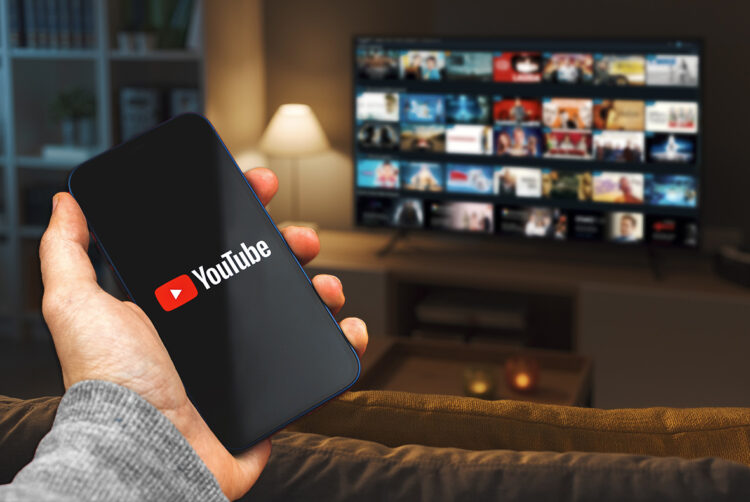
Audiences are increasingly watching video, listening to podcasts and using social media as their preferred news and entertainment destination, with YouTube viewing on TV sets having doubled since 2022. Media businesses have followed them, investing in everything from vertical video and podcasts to individual talent and creator partnerships.
We’ve been looking closely at how the creator economy is changing media. Our recent report found that these formats are fast becoming a core element of all organisations’ content strategy rather than something that sets a media business apart.
When everyone can make a vod/podcast, can launch a YouTube channel or put a presenter in front of a camera for a reel, simply producing more content in more places is not a dependable strategy for success.
New formats and audiences don’t guarantee long-term success
The Washington Post offers a cautionary tale for those looking to move with the herd. It not only backed a programme fronted by journalist Dave Jorgenson, but also built it around his own YouTube presence. When Jorgenson left in 2025, much of the audience relationship and the brand went with him. The reach had been real, but the deliberate emphasis on personality backfired.
That’s why now is a critical time for broadcasters to understand the different value placed on reach, relationships, revenue and ownership before pushing the button on major cuts or changes and without being clear about what they are trying to protect or build.
Reach matters, of course. But it is only the start. The bigger prize is building a relationship that means people choose to come back, turning that relationship into revenue and retaining some ownership of what has been created – be that the individual’s brand, intellectual property, audience or direct subscriber relationships.
Legacy brands’ creative track record and relatively high trust levels have value
Broadcasters still have strong brands, brilliant creative talent, original programming and decades of experience knowing what audiences want to watch.
There is value behind the screen too. Production, rights, sales and technology can look like overheads when budgets are squeezed, yet successful independent creators often find themselves having to build exactly that infrastructure as they grow.
They shouldn’t be too quick to dismantle an advantage that others are spending money trying to recreate.
Protecting talent also doesn’t mean protecting every existing role or structure. It means knowing which skills are genuinely difficult to replace and thinking differently about how talent is incentivised, how intellectual property is shared and where the relationship with audiences sits.
The same thinking should shape platform partnerships. From the outset, it should be clear who owns the content, who gets the audience data, how revenue is shared, and what remains with the broadcaster when a partnership ends.
The aim should be to use global platforms to extend reach without giving away everything that makes that reach valuable.
There is also an opportunity for broadcasters to collaborate more. But success should be measured by what those savings allow broadcasters to do next, whether that is investing in new ideas and talent, reaching audiences they currently struggle to engage, and stopping spending on things that no longer deliver.
Legacy broadcasters and publishers can’t outscale YouTube, but they can better use its advantages while building stronger audience relationships and keeping greater control over what it creates.
 Graham Page is head of media at Q5