



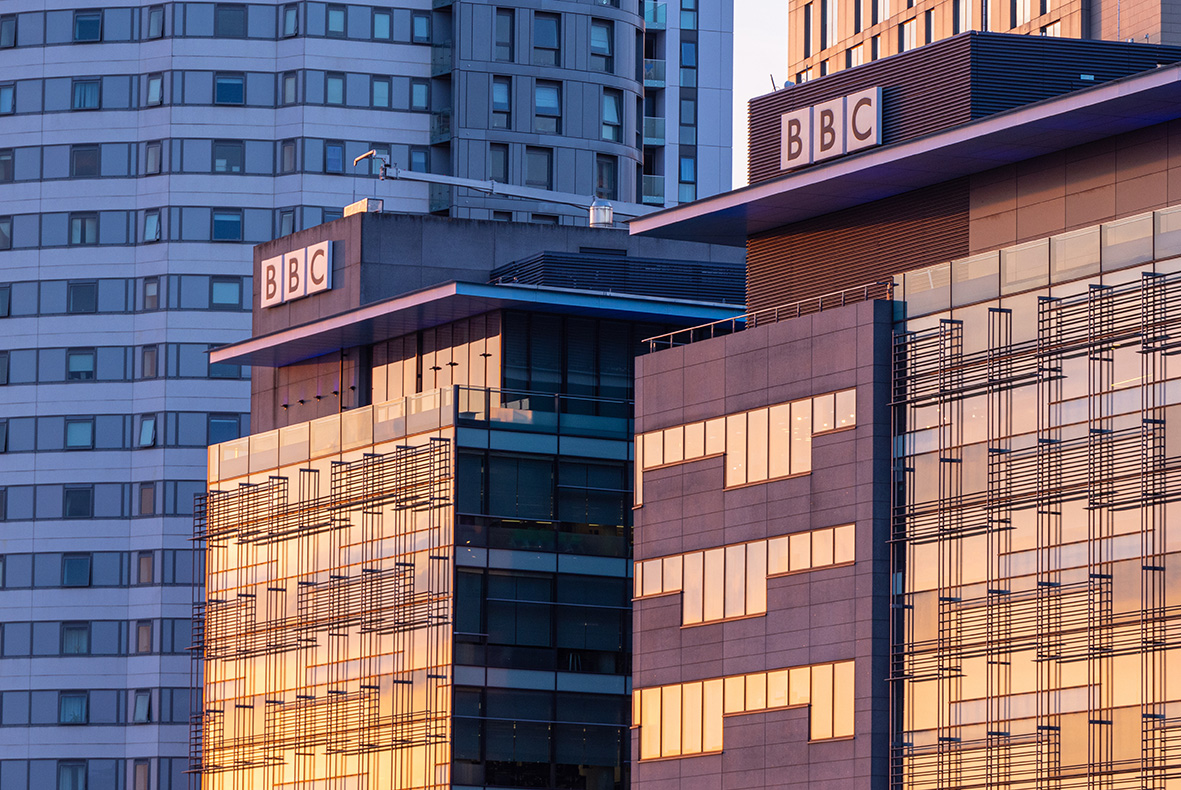
Apart from being a bulwark against fake news and lies, the BBC World Service is a valuable arm of British culture and influence around the world. Cutting funding will bring irreparable damage.

16 Jul 2025 | Justin Sampson
As Barb prepares to introduce viewing data for some YouTube channels, its CEO looks at how joint industry standards enable informed choice and fair competition.
| Maria Iu
In its provisional conclusions, the regulator has given the green light to three new DAB+ stations.
While the Beeb trumpets its role in delivering trusted, impartial news around the world, it’s difficult to see the way it handled the axing of HardTalk as anything other than an act of vandalism.
The organisation has dropped its plan to introduce ads into podcasts accessed via commercial streaming platforms like Apple Podcasts and Spotify.
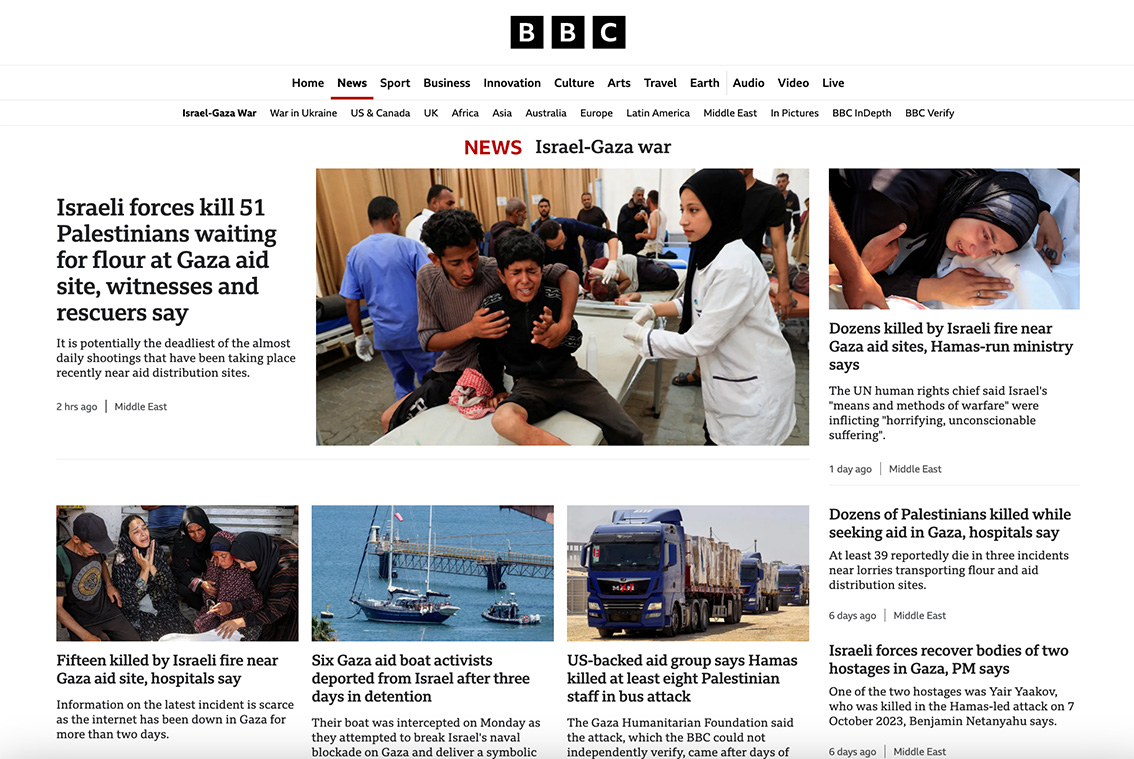
What happened with the children of Gaza documentary is not an example of bias but of a failure of editorial systems or BBC bureaucracy — or both. There must be no repeat of the Balen Report saga.
BBC bias has always been a matter of opinion. What was needed was independent research and now we have some from Cardiff University. Its findings do have a clear outcome, but perhaps not in the way expected.
The government insists everything is “still on the table” regarding the BBC’s funding model post-2028 and there is no shortage of proposals. But not all ideas for replacing the licence are equal.
| Maria Iu
Commercial radio has been performing strongly, but it has hit back at two major BBC developments.
The Gregg Wallace drama once again highlights how staff and performers are treated in the making of programmes and, in particular, the imbalance of power between presenters and those they work with.
ITV carries immense cultural power that makes a sell-off far from straightforward, writes the editor.