

| Maria Iu
The deal will see the streaming platforms host each other’s shows, starting from 16 July.


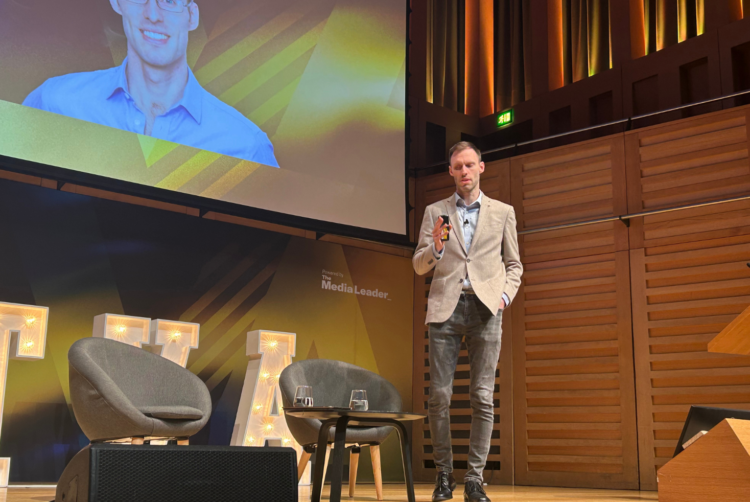
In the opening session of the Future of TV Advertising Global 2025, Richard Broughton delivers a whistle-stop-tour of who the winners and losers are in an increasingly consolidated market.
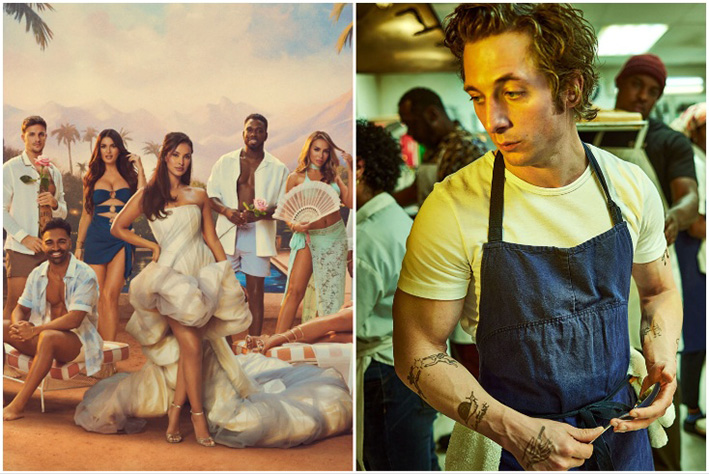
The deal will see the streaming platforms host each other’s shows, starting from 16 July.
Ampere’s new social video tracking tool has revealed a shift towards more long-form content and the types of content that dominate broadcasters’ YouTube channels.
WBD plans to split itself into two public companies by next year, with one maintaining its film properties and streaming service, while a global networks company will own CNN, TNT Sports and Discovery.
The New Zealand broadcaster is claiming a significant step forward in campaign management and ad monetisation for total TV by making it possible to extend already-sold linear broadcast campaigns into its TVNZ+ streaming service at scale. The “digital extension spots” come with typical linear controls.
As more live sports move to streaming, media companies must sell advertising against their content across different platforms in a unified way that combines the upfront, premium process of linear with the dynamic execution of digital.
The big media agencies are damaging the outlook for UK broadcasters through opaque trading practices that do not give them a fair share of client spend.
Advertisers want to play a starring role in viewers’ lives, but this requires a comprehensive understanding of their unique motivations and behaviours.
The company’s EMEA ad sales chief said collaboration is needed to ensure money isn’t going from TV to elsewhere.
The broadcaster’s commercial team will handle all advertising on the Google platform.
At The Future of TV Advertising Global, Comcast ads chief James Rooke argued that TV must simplify the ad buying process to make it more attractive to advertisers.